Best Practices After Periodontal Treatment in Ventura
@israelmrdj973
October 2, 2026 · 16 min read
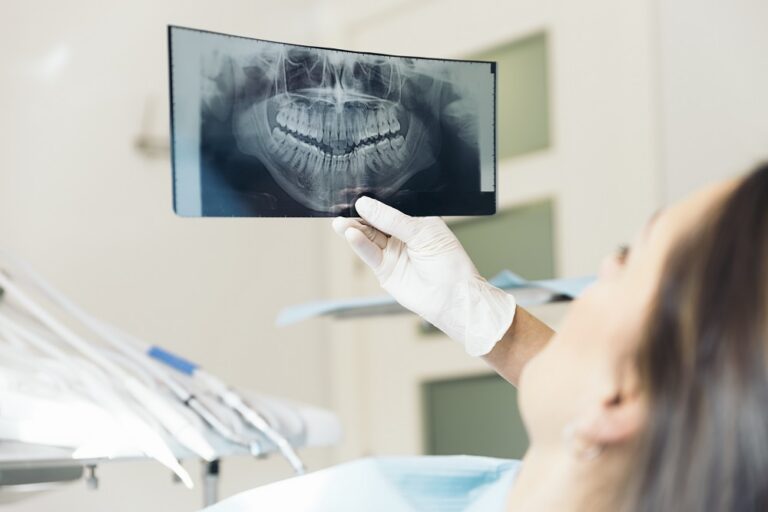
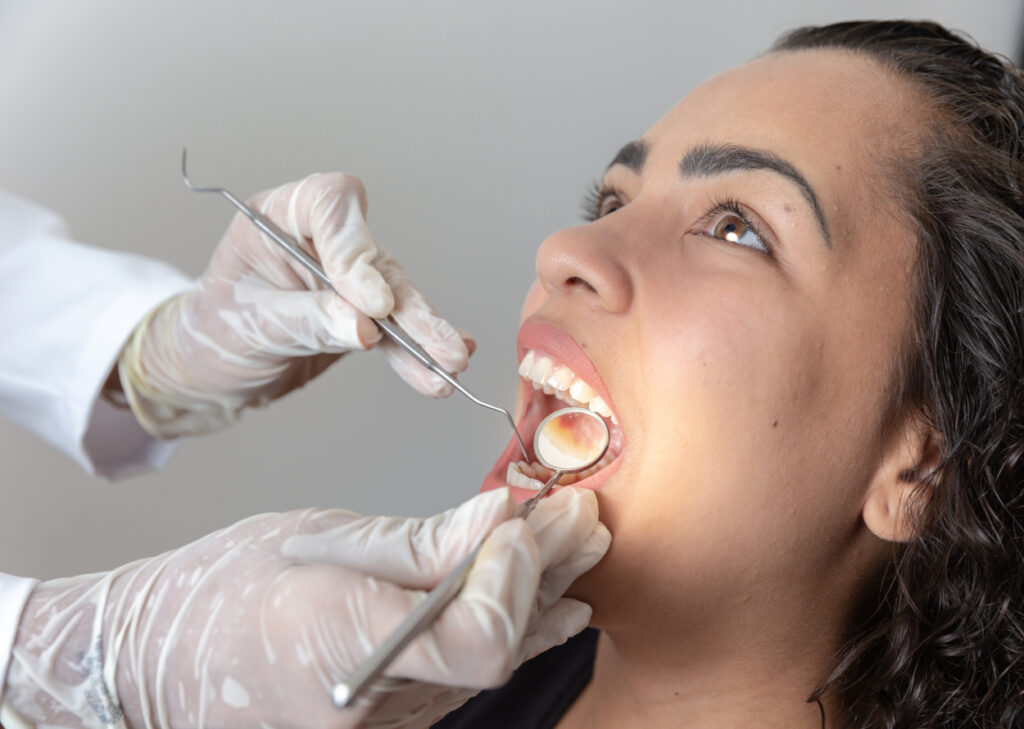
Periodontal treatment is not a finish line so much as a reset. Once gum infection has been brought under control, whether through scaling and root planing, localized antibiotic therapy, gum surgery, or a combination of approaches, the next phase matters just as much as the treatment itself. This is where results are protected, comfort improves, and the chances of relapse drop sharply.
That is especially relevant in Ventura, where routines are often active, schedules are full, and people want to get back to work, family life, surfing, hiking, or simply eating without discomfort. The problem is that many patients assume the hard part ended the day they left the dental office. In practice, the weeks and months after care are when small habits begin to determine whether healing stays on track.
A healthy recovery after periodontal therapy depends on several things working together: proper home care, smart food choices, regular follow-up visits, realistic expectations about symptoms, and close attention to the factors that caused gum disease in the first place. If one of those pieces is missing, even excellent treatment can lose ground.
What healing usually feels like
Most people feel some tenderness after periodontal treatment. If deep cleaning was performed, the gums may feel sore for a few days and the teeth can become more sensitive to cold air, cold drinks, or brushing. If surgery was involved, swelling and mild bleeding are common early on, then gradually taper off. It is also normal to notice that teeth look a little longer once inflamed gum tissue shrinks down. Patients are often surprised by this, but it usually reflects reduced swelling rather than a new problem.
The timeline varies with the procedure and with the person. A healthy nonsmoker with good home care may recover quickly after non-surgical therapy. Someone with diabetes, a history of heavy tartar buildup, or advanced periodontitis may take longer and require closer monitoring. The biggest mistake is comparing your recovery to someone else’s. Gum healing is personal. Bone loss, bite forces, medications, dry mouth, and even stress levels all shape how things progress.
What matters most is the trend. Day by day, symptoms should move in the right direction. Discomfort should lessen. Bleeding should become less frequent. Gum tissue should look calmer, not more inflamed. If pain worsens, swelling increases after the first few days, or there is a bad taste that does not clear, that deserves a call to the dental office.
The first 48 hours set the tone
The immediate aftercare period is often underestimated. Patients tend to focus on pain and swelling, but the larger issue is protecting the treated tissue from irritation while still keeping the mouth clean enough to prevent bacterial rebound.
If your dentist or periodontist gave specific instructions, those always take priority. In general, the first two days are about balance. You do not want to scrub aggressively, but you also do not want plaque sitting undisturbed near healing gums. Depending on the type of treatment, patients may be asked to avoid brushing a surgical site briefly, use a prescribed rinse, or clean the area with a very soft brush in a limited way.
Cold compresses can help in the early phase if there is swelling. Warm saltwater rinses are often useful later, once the office says they are appropriate. The key detail people miss is temperature. Very hot foods and drinks can aggravate tissues and trigger bleeding. Lukewarm is usually safer than steaming.
It is also worth planning your schedule realistically. I have seen patients undergo treatment at midday and then head straight into a long meeting, a strenuous workout, or an evening of spicy food and drinks. That is not ideal. Give your body room to heal. A quieter evening and a softer diet are often the difference between a smooth first night and one that feels rougher than necessary.
Home care has to be gentle, not timid
After Periodontal Treatment Ventura patients often ask one question more than any other: “Should I stop flossing if it bleeds?” In most cases, no. Bleeding is a sign to pay attention, not usually a signal to avoid the area indefinitely. The exception is when your clinician specifically tells you to hold off because of surgery or a delicate graft site.
Gentle, consistent plaque removal is one of the strongest predictors of long-term success. The phrase “gentle” matters. Some people interpret clean teeth as a reason to scrub harder. That approach can irritate already vulnerable tissue, contribute to recession, and increase sensitivity. A soft-bristled toothbrush used with light pressure is more effective than a hard brush used aggressively. The goal is disruption of biofilm, not polishing by force.
Interdental cleaning is equally important. For some patients, traditional floss works well. For others, especially where gum recession has created larger spaces, interdental brushes or soft picks do a better job. Water flossers can be helpful, particularly for bridges, implants, or patients with dexterity issues, but they are usually best viewed as an adjunct rather than a total replacement for mechanical cleaning between teeth.
The pattern that works in real life is the one a person can repeat every day. An elaborate routine that lasts three nights is less useful than a simple routine that lasts years.
Eating in a way that supports gum healing
Diet after treatment is not just about comfort. It directly affects irritation, bacterial growth, and the ability of soft tissue to repair itself. Most people do well with softer foods for a short period, especially after surgical care, but “soft” should not mean sugary, sticky, or highly processed all day long.
Protein helps tissue repair. Hydration supports saliva flow and comfort. Foods rich in vitamins and minerals help overall healing, though they do not replace cleaning or professional care. Crunchy chips, crusty bread, popcorn, seeded foods, and spicy meals are often a poor fit in the immediate recovery period because they can lodge in tissues or create irritation.
A practical rule is to choose foods that require little effort to chew and leave minimal residue. Scrambled eggs, yogurt, smoothies that are not packed with sugar, soft fish, oatmeal, mashed vegetables, and soups that are warm rather than hot tend to work well. If one side of the mouth was treated more extensively, use the other side for a few days when possible.
There is also a hidden issue that shows up often in periodontal recovery: frequent snacking. Each time carbohydrates are consumed, bacteria get another opportunity to thrive. Grazing on crackers, sweets, or sweetened drinks all day makes it harder to keep the mouth stable. Better to eat intentionally, clean well, and let the tissues rest between meals.
Smoking and vaping can quietly undo progress
This is one of the clearest risk factors in periodontal care, yet it remains one of the hardest to change. Smoking reduces blood flow, alters immune response, and slows healing. It can mask inflammation as well, which means gum disease may look less dramatic even while damage continues underneath. Vaping is not a free pass. While the research base differs in places, nicotine exposure and tissue irritation are genuine concerns.
Patients sometimes tell themselves they will pause “for a day or two” after treatment and then resume. From a healing perspective, that is not much of a pause. The gums need a real chance to recover. Even reducing use during the initial healing period can help, but the best outcome comes from stopping altogether.
The same principle applies to cannabis smoking, especially if heat and dry mouth are part of the picture. Dry mouth is not trivial in periodontal patients. Saliva plays a major role in buffering acids and controlling microbial imbalance. Anything that dries the mouth or impairs healing deserves respect.
Medication routines should be boringly consistent
There is nothing glamorous about taking medication exactly as prescribed, but it prevents many avoidable setbacks. If antibiotics were prescribed, finish them unless the office tells you otherwise. If an antimicrobial rinse was recommended, use it on the schedule given. Skipping doses, stopping early because you feel better, or improvising with over-the-counter products can create unnecessary trouble.
Pain management deserves some nuance too. Many patients wait until discomfort intensifies, then try to catch up. It often works better to stay ahead of pain within the dosing guidance provided by the dental office. That said, pain that feels sharp, escalating, or out of proportion should not simply be medicated and ignored. It should be evaluated.
A common pitfall involves combining products without checking labels. People may use a prescription rinse, a whitening toothpaste, a sensitivity toothpaste, and a strong mouthwash all at once, thinking more care must be better. In reality, too many active products can irritate tissues and confuse the picture. Keep the regimen clear and purposeful.
Maintenance visits are where long-term success is won
For periodontal patients, routine cleaning on a generic schedule is often not enough. Once gum disease has advanced beyond mild gingivitis, maintenance intervals are usually more frequent than the standard six-month visit. Three to four months is common, though the exact timing depends on pocket depths, bleeding levels, home care, medical history, and how stable the gums remain over time.
This is not an upsell. It is microbiology. Harmful bacteria repopulate below the gumline faster in patients with a history of periodontitis than in people who never had it. The mouth can look and feel fine while deeper inflammation starts to return. Maintenance appointments interrupt that cycle before it regains momentum.
During these visits, clinicians are not just “cleaning teeth.” They are measuring pocket depths, checking for bleeding, evaluating recession, monitoring mobility, assessing plaque retention areas, and comparing the tissues to prior records. Those details matter because periodontal relapse often starts quietly.
Patients in Ventura sometimes juggle commuting, seasonal work patterns, school calendars, and family obligations, so maintenance visits get postponed. A delay of a few weeks may be manageable. A delay of six to nine months in a person with prior bone loss can be costly. If your office recommends periodontal maintenance rather than a routine cleaning, that distinction matters.
Sensitivity after treatment, what is normal and what is not
Tooth sensitivity after gum treatment is common because inflamed tissue shrinks and exposes more root surface. Roots are not covered by enamel, so they react more readily to cold, touch, and certain foods. This can be temporary, but not always. Some patients need a longer-term strategy.
Desensitizing toothpaste helps many people, though it often requires consistent use for a few weeks to make a real difference. Brushing technique also matters. A horizontal sawing motion at the gumline can worsen sensitivity over time. If recession is significant, your dentist may suggest in-office desensitizing agents, bonding to cover exposed root areas, or in certain cases a gum graft consultation.
The good news is that sensitivity often improves once the gums are healthier and the patient settles into a gentler routine. The less helpful response is avoiding the area entirely. Plaque buildup near sensitive roots can quickly inflame the gums again, and then both problems are worse.
Warning signs that deserve a prompt call
Most healing is straightforward, but a few symptoms should never be brushed aside. If any of these develop, reach out to your dental office rather than waiting for the next visit:
- Bleeding that is heavy, persistent, or starts increasing instead of fading
- Swelling that worsens after the first few days
- Fever, pus, or a strong foul taste that does not improve
- Pain that becomes more intense rather than gradually easing
- A dressing, stitch, or treated area that seems disturbed and leaves you uncertain
Patients sometimes hesitate because they do not want to overreact. In periodontal care, timely questions are almost always better than delayed regret. A small issue managed early may be solved with a phone call or a quick check. Left alone, the same issue can become an infection, reopening of a surgical site, or unnecessary loss of progress.
Medical conditions and lifestyle factors that change the picture
Not every recovery follows the same script. Diabetes is a major example. Poor blood sugar control makes periodontal healing harder and raises the risk of ongoing inflammation. The relationship works both ways too. Uncontrolled gum disease can make diabetes management more difficult. Patients who monitor their glucose carefully around the time of treatment often have a smoother course than those who treat the mouth and the metabolic issue as separate worlds.
Hormonal shifts can also affect gum response. Pregnancy, menopause, and certain endocrine conditions may alter inflammation patterns and comfort. Medications that reduce saliva, thin the blood, or influence bone metabolism can change aftercare needs as well.
Stress deserves mention, not because it directly causes gum disease on its own, but because it alters behavior. People under pressure clench more, sleep less, snack differently, skip cleaning routines, and delay appointments. Those changes add up fast after treatment. If you know you are entering a stressful season, simplify your routine rather than abandoning it. A two-minute focused cleaning done faithfully is better than a perfect ten-minute routine that never happens.
Bite forces and grinding can sabotage healing
A detail patients rarely connect to their gums is bite pressure. Teeth that absorb excessive force from clenching or grinding may become mobile, sore, or harder to stabilize, especially if periodontal support is already reduced. Nighttime grinding can inflame the ligament around the tooth and make it feel like the gum treatment “did not work,” when the real issue is mechanical stress.
If your provider mentions wear facets, fractured fillings, jaw tension, or mobility that matches bite trauma, take it seriously. A night guard may be part of preserving your periodontal result. So may a bite adjustment in selected cases. This is one of those areas where experience matters. Not every sore tooth needs a guard, but ignoring obvious parafunction can undermine otherwise excellent care.
Oral hygiene tools should match the mouth you have now
One of the quiet shifts after periodontal treatment is that the mouth may not need the same tools it needed before. Gum contours change. Recession may reveal spaces that were not easy to clean in the past. Bridges, implants, or splinted teeth may call for different techniques than a standard floss-and-brush routine.
This is why hands-on instruction matters. Patients often nod through home-care explanations, then go home and default to old habits. It is worth slowing down and asking for a demonstration, especially if pockets were deep or multiple areas were treated. The “best” device is the one that fits your anatomy and that you will actually use with proper technique.
For many people, the most effective home care plan ends up being surprisingly modest:
- A soft toothbrush used carefully at the gumline twice daily
- One reliable between-the-teeth cleaning method used every day
- A targeted rinse or sensitivity product only if recommended
- Periodontal maintenance visits kept on schedule
- Rapid follow-up if symptoms shift in the wrong direction
That may sound simple, but simple is what works long term.
If surgery was part of your treatment, patience matters even more
Non-surgical deep cleaning and periodontal surgery are not the same recovery. If you had flap surgery, grafting, crown lengthening, or regenerative procedures, tissues may look uneven for a while before they settle. Sutures can make cleaning awkward. A graft site may look pale or irregular before it matures. Temporary changes in speech, chewing comfort, or smile line appearance are not unusual in the short term.
This is where patients can get themselves into trouble by checking the area too often, pulling at the lip to inspect it, probing it with the tongue, or resuming normal brushing too soon. Healing tissue is not helped by constant testing. Let the site mature according to the guidance you were given.
It is also common for surgical patients to overestimate what they can eat after a few better days. Then a hard bite, sharp food edge, or vigorous rinse sets things back. Early improvement is good news, but it is not a signal to stop being careful.
The local factor in Ventura, routine and environment
Ventura has an outdoor culture, and that usually supports health. But active lifestyles come with habits that sometimes complicate recovery. Long hours in the sun can mean mild dehydration. Endurance exercise can dry the mouth. Grabbing convenient snacks between activities often means frequent carbohydrate exposure. Even ocean sports bring their own issues if a patient breathes through the mouth for long periods or neglects hydration afterward.
None of this means you need to put life on hold. It means being aware of the trade-offs. Drink water regularly. Do not skip meals only to graze on sports bars later. If you are healing from recent treatment, think twice before scheduling heavy exertion the same day. These are small decisions, but they protect the investment you made in your gums.
Patients seeking Periodontal Treatment Ventura services are often motivated by discomfort, bleeding, or concern about tooth loss. That motivation is valuable, but it fades if recovery instructions feel abstract. The most successful patients are usually not the ones with the fanciest tools. They are the ones who take the disease seriously, ask practical questions, and build a repeatable routine around real life.
What lasting success actually looks like
Healthy periodontal recovery does not always mean the gums return to how they looked at age twenty. If there has been bone loss or recession, the goal is often stability rather than perfection. Success may mean shallower pockets, less bleeding, firmer tissue, improved breath, easier home care, and preserving teeth that were at risk. Those outcomes are meaningful.
It also helps to understand that maintenance is not a sign that treatment failed. Periodontal disease is a chronic condition with active and stable phases. Patients who do well over many years tend to accept that fact early. They stop looking for a one-time fix and start managing the condition the way people manage blood pressure, allergies, or joint problems, with consistency.
That mindset https://laneiqti025.opalvector.com/posts/periodontal-treatment-ventura-for-adults-of-all-ages changes everything. Instead of wondering whether aftercare is really necessary, you begin to notice how much better your mouth feels when you keep the tissue calm. Brushing becomes easier. Bleeding becomes unusual rather than routine. Cold sensitivity settles. Dental visits become less dramatic. And perhaps most important, teeth that once seemed uncertain often remain functional and comfortable for years.
Protecting the results of periodontal treatment is not complicated, but it is specific. Keep the area clean without being rough. Follow instructions closely. Respect the healing timeline. Show up for maintenance. Address the habits and health conditions that helped the disease develop. Those are the best practices that make treatment hold, whether the therapy was simple or extensive, and whether it happened last week or years ago.
Avra Dental
Address: 1708 S Victoria Ave B, Ventura, CA 93003
Phone number: (805) 941-1001
FAQ About Periodontal Treatment Ventura
Can a dentist get rid of periodontal disease?
A dentist or gum specialist (periodontist) cannot fully cure or reverse advanced periodontal disease (periodontitis), but they can successfully stop its progression and manage the infection.
Is periodontitis very serious?
Yes, periodontitis is a very serious, advanced form of gum disease that destroys the bone and tissues supporting your teeth.
How is stage 2 periodontal disease treated?
Stage 2 periodontal disease (early to moderate periodontitis) is primarily treated with non-surgical deep cleaning procedures like scaling and root planing to remove bacteria and tartar below the gumline.