Periodontal Treatment Ventura: Improving Comfort, Function, and Health
@israelmrdj973
October 2, 2026 · 15 min read
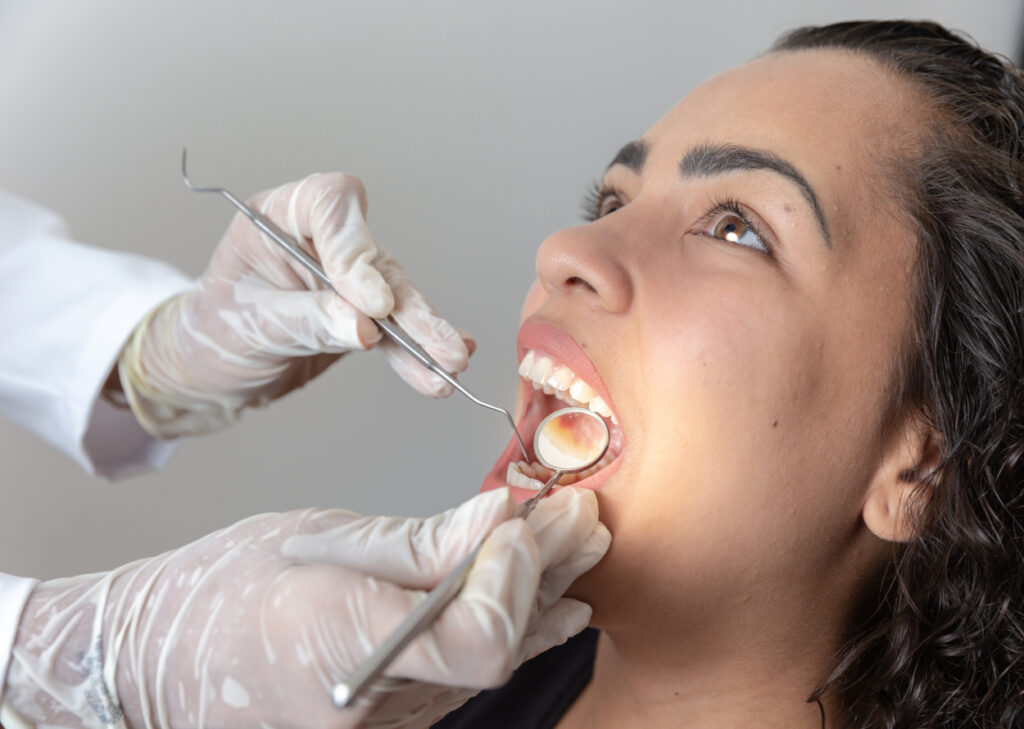
Gum disease rarely announces itself with drama at the beginning. More often, it starts quietly. A little bleeding while brushing. Tenderness near one molar. Breath that seems harder to freshen no matter how carefully someone cleans their teeth. Many people assume these changes are minor, or temporary, or simply part of getting older. They are not.
Periodontal disease affects the tissues that support the teeth, including the gums, ligaments, and bone. Left untreated, it can shift from mild inflammation to deep infection and bone loss. By the time teeth feel loose or chewing becomes uncomfortable, the condition is often well established. The good news is that modern periodontal care can do far more than many patients expect. With timely diagnosis and a thoughtful treatment plan, it is often possible to reduce infection, preserve natural teeth, improve comfort, and restore day to day confidence.
For people searching for periodontal treatment Ventura, the decision usually comes at a turning point. Sometimes a general dentist has noted deep gum pockets or bone loss on an X-ray. Sometimes the patient has noticed gum recession and increasing sensitivity. Sometimes there is a visible change in the smile, such as teeth appearing longer or spaces opening near the gumline. Whatever brings someone in, the central goal is the same: stop the disease process and create a healthier, more stable foundation.
Why periodontal health matters more than most people realize
Healthy gums do much more than frame a smile. They create a seal around the teeth that helps protect deeper supporting structures from bacteria. When that seal becomes inflamed or detached, plaque and tartar can extend below the gumline, where routine brushing cannot reach. As bacterial buildup persists, the body responds with inflammation. Over time, that inflammatory response can damage the connective tissue and bone that hold teeth in place.
This is why periodontal disease is not just a cosmetic issue. It affects comfort, bite stability, chewing efficiency, and long-term oral function. Patients often come in worried about bleeding gums, but what concerns periodontists even more is the possibility of silent progression. Gum disease can move forward without severe pain, which means people may underestimate it until damage is harder to reverse.
There is also a quality of life component that deserves more attention. People with active gum disease may avoid smiling broadly because their gums look swollen or uneven. Some become self-conscious about bad breath. Others shift how they chew because one area feels sore, then develop jaw fatigue or sensitivity elsewhere. These are practical, daily burdens, https://blogfreely.net/hithimwjkk/how-to-prepare-for-your-periodontal-treatment-appointment-in-ventura not abstract dental findings.
What periodontal treatment actually addresses
The phrase “periodontal treatment” covers a range of therapies, from non-surgical deep cleaning to advanced regenerative or surgical procedures. The treatment recommended depends on the severity and pattern of disease, the patient’s anatomy, home care habits, medical history, and goals.
In early stages, the priority is controlling bacterial buildup and inflammation before deeper structures are compromised. In more advanced cases, treatment may focus on reducing deep pockets, reshaping damaged tissues, regenerating lost support where possible, and preserving teeth that are at risk. There are also procedures aimed at correcting gum recession, improving the contour of the gumline, and making areas easier to clean.
A critical point that patients appreciate once they begin care is that successful periodontal treatment is not a one-time event. It is a process. The first phase controls active disease. The second phase stabilizes the results. The long-term phase, often called periodontal maintenance, is what helps protect that progress.
Common signs that deserve prompt attention
A patient does not need severe pain to have periodontal disease. In fact, some of the most advanced cases begin with symptoms people dismiss for months or years. If any of the following are happening consistently, an evaluation is warranted:
- gums that bleed during brushing or flossing
- persistent bad breath or a bad taste in the mouth
- gum recession or teeth that look longer than before
- tenderness, swelling, or pus near the gums
- shifting teeth, loose teeth, or changes in the bite
Not every one of these signs means advanced disease, but each one points to a need for a closer look. Early intervention is usually simpler, less invasive, and more predictable.
The first visit: what a periodontal evaluation involves
A periodontal consultation is more detailed than many patients expect, which is a good thing. It is not just a quick glance at the gums. The clinician typically reviews health history, symptoms, medications, smoking or vaping habits, prior dental treatment, and any concerns related to function or appearance. This matters because gum disease is influenced by more than brushing technique alone.
The clinical exam often includes measuring pocket depths around each tooth, checking for bleeding points, noting recession, evaluating tooth mobility, and assessing how the bite comes together. X-rays help show bone levels and identify areas where support may have been lost beneath the gumline. In some cases, photographs are useful because they document subtle changes over time and help patients understand what is happening.
This first conversation often changes the way people see their mouth. A patient may come in focused on one spot that bleeds, then learn that the deeper issue involves several areas with bone loss. Another may be convinced they need an extraction, only to find the tooth can still be stabilized with appropriate treatment. Periodontal diagnosis is about patterns, not guesses.
Non-surgical care: often the right place to begin
For many patients, the first and most important step is non-surgical periodontal therapy. This usually means scaling and root planing, often called deep cleaning. Unlike a standard cleaning that focuses above the gumline, deep cleaning removes plaque, tartar, and bacterial deposits from below the gums and smooths the root surfaces so the tissue can reattach more effectively.
People are often anxious about this procedure because the phrase sounds intense. In practice, comfort is typically very manageable. Local anesthetic is commonly used, and treatment may be completed by quadrant or half-mouth depending on the extent of disease and patient preference. Some offices also use adjunctive therapies, such as localized antimicrobials, when they fit the clinical picture. These are not substitutes for mechanical cleaning, but they can help in selected cases.
After deep cleaning, it is normal to have some temporary soreness, sensitivity, or slight gum shrinkage as inflammation resolves. That last point surprises some patients. Swollen gums can create the illusion of fullness, so when they heal, the tissue may sit closer to the tooth. While that change can reveal preexisting recession, it also reflects healthier tissue architecture.
The reevaluation phase is where judgment matters. Some patients respond extremely well to non-surgical care and careful home maintenance. Pocket depths reduce, bleeding subsides, and surgical treatment is unnecessary. Others improve partially but still have deep, inaccessible areas that continue to trap bacteria. That is where more advanced periodontal treatment becomes valuable.
When surgery becomes the better option
Surgical periodontal therapy is not recommended lightly. The purpose is not to make treatment more dramatic, it is to reach areas that cannot be cleaned predictably otherwise, reduce bacterial reservoirs, and rebuild or reshape support where possible.
Pocket reduction surgery may be advised when gums have detached deeply from the teeth and non-surgical therapy cannot adequately control the area. By lifting the tissue carefully, the clinician can remove deposits directly, smooth irregular root surfaces, and contour bone if needed so the gum can heal into a more maintainable shape.
In other situations, regenerative procedures may be considered. These aim to encourage the regrowth of bone and supporting attachment in certain defects. Success depends on defect shape, tooth anatomy, patient health, and plaque control. Regeneration is not magic, and it does not apply to every site, but in the right case it can help preserve teeth that once would have had a poor prognosis.
Soft tissue grafting is another important part of periodontal care. Recession can expose root surfaces, increase sensitivity, raise the risk of root wear, and affect appearance, especially in the front of the mouth. Gum grafting can cover exposed areas, thicken fragile tissue, and improve comfort during brushing. Patients often say the practical improvement matters just as much as the cosmetic one because the area becomes less tender and easier to clean.
Comfort during treatment has improved significantly
Many people still imagine periodontal treatment based on stories from decades ago. Current care is generally far more comfortable than those memories suggest. Better anesthetics, refined instruments, microsurgical approaches, and more personalized scheduling have changed the patient experience considerably.
What matters most is good communication. Patients do best when they know what will happen, how long an appointment may take, what sensations are normal, and how to manage recovery. A straightforward explanation reduces tension, and tension often affects comfort as much as the procedure itself.
In clinical practice, there is a noticeable difference between discomfort caused by untreated disease and the temporary soreness that can follow treatment. Active periodontal infection often creates a chronic awareness in the mouth, a tenderness while eating, a taste, a pressure, or a nagging concern about worsening damage. Once treatment begins and inflammation falls, many patients feel relief sooner than they expected.
Function matters as much as infection control
The words “gum treatment” can sound narrow, but function is central to the entire process. Teeth depend on healthy supporting tissues to withstand chewing forces. When periodontal disease weakens that support, bite pressure that once felt normal may become problematic. A single loose tooth can make a patient chew on the opposite side for months. That compensation can create its own problems, including wear, muscle fatigue, and discomfort in other teeth.
Part of thoughtful periodontal care is deciding when to coordinate with other dental treatment. Some patients need occlusal adjustment, replacement of failing restorations, or splinting of mobile teeth to improve stability. Others may need orthodontic input if teeth have shifted. If a missing tooth is being considered for replacement with an implant, periodontal health in the surrounding mouth must be under control first. Infection around natural teeth and inflamed tissues around an implant are not separate stories. They influence one another.
This is one reason the best outcomes often come from coordinated care rather than isolated procedures. Periodontics intersects with restorative dentistry, oral hygiene instruction, prosthodontics, and sometimes orthodontics. The mouth functions as a system.
Ventura patients often ask about timing
People looking into periodontal treatment Ventura frequently ask whether they can wait a few months, especially if symptoms seem manageable. The honest answer depends on severity, but delay is rarely helpful. Mild gingival inflammation may not become severe periodontitis overnight, yet established periodontal pockets and active bone loss do not typically reverse on their own.
One practical issue with waiting is that treatment complexity tends to rise as disease progresses. A patient who might have improved with deep cleaning and stricter maintenance can end up needing surgery after another year of inflammation. Another issue is cost, both financial and biological. Saving a tooth with moderate bone loss is usually easier than trying to manage a tooth after extensive support has been lost.
That said, not every case is an emergency. A skilled clinician will distinguish between conditions that need prompt intervention and those that can be monitored briefly while the patient addresses scheduling, medical clearance, or financial planning. Good care involves judgment, not pressure.
The home-care side of the equation
Professional treatment cannot succeed long term without strong daily plaque control. This is not about blame. It is about biology. Periodontal therapy creates a healthier environment, but bacteria repopulate quickly. The goal at home is to disrupt that buildup consistently before it matures and triggers deeper inflammation again.
Patients often do better with specific coaching than vague reminders to “floss more.” The best routine depends on hand skill, spacing between teeth, restorations, recession patterns, and tolerance for certain tools. For one person, a soft power brush and interdental brushes are the breakthrough combination. For another, floss threaders around bridgework make the difference. What matters is repeatability. A perfect routine done for three nights is less useful than a realistic routine done every day.
The most effective home-care habits usually share a few traits:
- they fit the patient’s dexterity and schedule
- they clean between teeth, not just the visible fronts
- they avoid excessive force that can traumatize the gums
- they are reviewed and adjusted over time
- they are paired with regular periodontal maintenance visits
That last point is crucial. Patients with a history of periodontitis often need maintenance more frequently than the standard six-month cleaning schedule. Three to four months is common, though timing should reflect actual risk and response, not a one-size-fits-all rule.
Smoking, diabetes, stress, and other complicating factors
Anyone discussing periodontal disease honestly has to address risk factors. Smoking remains one of the most important. Smokers may have less obvious gum bleeding because nicotine constricts blood vessels, yet the disease can be more severe and healing may be impaired. Vaping is not a free pass either. While the exact long-term periodontal effects continue to be studied, irritation, dryness, and nicotine exposure are not favorable for gum health.
Diabetes also plays a major role, especially when blood sugar is not well controlled. Periodontal disease can be more severe, and healing can be less predictable. At the same time, reducing oral inflammation may support better overall health management. This relationship goes both ways, which is why medical history is not a side note in periodontal care.
Stress, dry mouth, clenching, certain medications, and inconsistent maintenance can all contribute as well. Sometimes patients are frustrated because they “brush all the time” and still develop disease. Often there is more than one factor involved. Recognizing that is helpful because it moves the conversation from blame to problem-solving.
Aesthetics are part of health, not separate from it
Many people seek care because they notice visual changes first. Triangular spaces between teeth, a receding gumline, redness, swelling, or a smile that suddenly looks uneven can be distressing. These concerns are valid. They also often reflect structural changes underneath.
One of the more delicate parts of periodontal treatment is balancing disease control with cosmetic expectations. For example, reducing deep inflammation can improve color and firmness, but it may also reveal recession that swelling had masked. Likewise, stabilizing a periodontally involved front tooth may preserve it functionally, though the gumline may not look exactly as it once did. Patients appreciate honesty here. The best periodontal care is clear about what can likely be improved, what can be stabilized, and what may require additional cosmetic or restorative planning later.
When soft tissue grafting or regenerative treatment is appropriate, the aesthetic benefits can be substantial. Still, the guiding principle remains health first, then refinement.
Choosing a treatment plan with confidence
No single treatment path fits every patient. Age alone does not determine whether an aggressive effort to save teeth is worthwhile, and neither does fear alone justify postponing care. The right plan comes from weighing severity, prognosis, cost, comfort, home-care capacity, and long-term goals.
A younger patient with localized recession and excellent hygiene may be an ideal grafting candidate. An older patient with several compromised teeth but strong motivation may do very well with staged periodontal therapy and maintenance. Someone with uncontrolled diabetes and heavy smoking may need a more cautious, realistic conversation about prognosis. None of these scenarios are unusual. They are the everyday realities of periodontal decision-making.
Patients looking for periodontal treatment Ventura should expect a consultation that explains not only what is recommended, but why. Good treatment plans are built on findings the patient can understand, whether that means pocket measurements, radiographic bone levels, mobility, or visible recession. When the rationale is clear, people are more likely to follow through and maintain the result.
What long-term success looks like
Success in periodontics is not always dramatic in a before-and-after sense. Sometimes it is quieter, and more meaningful for that reason. Gums stop bleeding. The mouth feels clean instead of irritated. Breath improves. Sensitive roots become easier to brush. Teeth that once felt uncertain during meals become stable enough for normal eating again. Follow-up X-rays show bone levels holding steady instead of slipping lower year after year.
That kind of stability is a major win. It protects comfort, preserves options, and helps people keep their natural teeth longer. For some, it also opens the door to other restorative work that would not have been predictable in an inflamed mouth.
Periodontal disease can be persistent, but it is manageable with the right combination of professional treatment, home care, and follow-through. For patients in Ventura who are noticing warning signs or who have already been told they need specialist care, acting sooner usually leads to simpler decisions and better outcomes. Healthy gums support more than teeth. They support the way a person eats, speaks, smiles, and lives every day.
Avra Dental
Address: 1708 S Victoria Ave B, Ventura, CA 93003
Phone number: (805) 941-1001
FAQ About Periodontal Treatment Ventura
Can a dentist get rid of periodontal disease?
A dentist or gum specialist (periodontist) cannot fully cure or reverse advanced periodontal disease (periodontitis), but they can successfully stop its progression and manage the infection.
Is periodontitis very serious?
Yes, periodontitis is a very serious, advanced form of gum disease that destroys the bone and tissues supporting your teeth.
How is stage 2 periodontal disease treated?
Stage 2 periodontal disease (early to moderate periodontitis) is primarily treated with non-surgical deep cleaning procedures like scaling and root planing to remove bacteria and tartar below the gumline.